


Make "JICA" Famous Project
 2010.03.10
Until recently, the Japan International Cooperation Agency (JICA) was a quasi-government organization administered by Japan’s Ministry of Foreign Affairs and responsible for implementing technical cooperation programs abroad under Japanese Official Development Assistance. Only 28% of ordinary Japanese recognized JICA and even fewer knew its role. Prime Minister Junichiro Koizumi’s administrative reforms ended the agency’s days of sheltering anonymously under foreign ministry tutelage when JICA was ordered to become an “Independent Administrative Institution”. PR Consulting Dentsu successfully remodeled JICA’s image, transforming the agency from faceless bureaucracy into a visible, accountable and accessible organization recognized by nearly half the Japanese population.
Problems
JICA was among 105 quasi-government organizations including institutions and special corporations targeted for Independent Administrative Institution status under the Koizumi government’s program of administrative reforms. The status change was deemed necessary to improve the organizations’ efficiency, replacing the virtually assured annual budget disbursements with rigorous target-setting, project evaluation and transparency.
JICA, like many of its counterparts, had never needed to promote its activities widely nor court public opinion. Yet in now the agency found itself forced to convey information about itself or put its continued survival at risk.
With programs in more than 150 countries, an annual budget of over $1.2 billion, and the responsibility of supervising nearly 30,000 training experts, study team members and volunteers worldwide, JICA was facing the greatest test in its 50-year history.
PR Consulting Dentsu’ experience with risk management had first attracted JICA’s attention but the organization’s urgent request was for a program to make Japanese citizens more aware of JICA and to correctly evaluate the agency’s worth.
The project that became “The JICA Public Awareness Campaign” identified six key issues and opportunities:
- – Low recognition of the JICA name
- – Improperly maintained JICA logo mark
- – Inconsistent explanations defining JICA and no organizational philosophy
- – Poor internal communications
- – Image from outside of a “staid, local-government-style organization”
- – Insufficient understanding of the importance of public relations among staff and no sense of crisis about the impending change of status
Research
The program was launched with the first 17 months allocated for thorough research of both JICA’s internal and external images. The research consisted of in-depth surveys first of the general public’s image of JICA, followed by some focused on existing employees at all levels in the organization, and other persons formerly associated with JICA.
The research found that only 28% of Japanese recognized the JICA name and only 5% knew the organization’s role.
Within JICA, 58% of staff admitted that communication between divisions was poor, rising to 64% when communication between the headquarters and JICA branch offices was considered.
Planning/Execution
- First stage:Outside looking in
- Conducted nationwide citizens’ survey, group interviews, and media hearings to determine JICA’s positioning “from the outside”.
- March 2001: Presentation for employees of survey results
- Second stage:Inside looking out
- Conducted surveys including those with former staffers to determine how JICA was viewed “from the inside”
- March 2002: Presentation for employees of survey results
- Third stage:Organizational Audit
- Conducted research including case studies of related organizations and internal audits to determine PR strategies leading up to the change of status
Strategy
After analyzing the gap between how JICA was perceived externally and how the organization saw itself, we developed and implemented several public relations strategies. Among these were:
- Operations to involve employees
- – Established investigation committee incorporating senior and middle management to define the “new face” of JICA
- – Appointed “PR Agents” from volunteers in each department to speed dissemination and sharing of current public relations information within the organization
- Development of JICA’s “new face”
- – Requested employee views of JICA, incorporating responses using ‘text mining’ in the agency’s first ever organizational philosophy and mission statement
- – Sought staff suggestions for slogans, and developed slogans and questionnaire

Revitalizing internal communications
- – Produced original 3-minute animated video for staff to convey the importance of public relations
- – Developed catchphrase for internal campaign for change of status
- – Mounted poster promotion throughout organization offices on three occasions as campaign progressed
- – Produced leaflets sharing information about the project that included input from many employees
Preparing the public relations infrastructure
- – Produced presentation kit about JICA for employees to ensure that all future explanations about the organization would be uniform
- – Established intranet website providing staff with PR know-how and project-related information
Proactive dissemination of JICA information
- – Held symposia in each of Japan’s 47 prefectures to promote knowledge of JICA
- – Included JICA logo mark on widely-distributed recruitment notices for volunteers to increase awareness of JICA
Highlights:
- – At the campaign’s launch, many JICA employees claimed “selling the organization’s name” was unnecessary; few understood the value of communicating with the public. However, by the campaign’s end 1,300 employees enthusiastically joined activities to enhance JICA’s “new face,” and more than 700 attended a series of instructional PR seminars conducted by PR Consulting Dentsu.
- – At campaign launch most staff took little or no interest in the Foreign Ministry’s choice of JICA president. But the “mood for reform” so deepened that in a workers’ union questionnaire later, more than 90% believed JICA’s top representative should be an independent and not a ministry bureaucrat. The staff identified Sadako Ogata, former head of UNHCR, as their ideal candidate, a pronouncement that obliged the Foreign Ministry to break with established tradition and eventually appoint Ms Ogata as the new JICA President.
- – A wryly-humored slogan developed by PR Consulting Dentsu to persuade staff to fully embrace change- “It’s meaningless if you only just change the name!” – was seized upon by editorial writers first at Japan’s mass-circulation Asahi Shimbun and suddenly assumed wider coinage.
- – We used the high media interest in Sadako Ogata to JICA’s best advantage at the press conference to unveil the ‘new’ JICA, succeeding in generating coverage in all of Japan’s national and in 69 local newspapers.
- Of all the newly-created Independent Administrative Institutions, JICA is among the few to have sufficiently expanded its public relations activities to make an impact on society at large. This was a prime campaign objective. Unlike with private corporations, the performance of institutions such as JICA cannot be measured in sales figures or market share. A public institution can only be evaluated by the degree to which the public understands its role.
- This project, which succeeded in revitalizing employee awareness, served as a pioneering example for similar institutions targeted by the Koizumi government’s administrative reforms. Already four major institutions have retained PR Consulting Dentsu to help to similarly ensure their futures.
Related materials
Company Brochure
This is the company profile of Dentsu PR Consulting. This document clearly summarizes our philosophy, services, strengths, and achievements. It introduces our efforts in supporting companies and organizations in solving their challenges across a wide range of areas, including PR strategy, digital initiatives, and risk management, with reputation management as our core focus. Please use this as a reference when considering your company’s public relations and communication strategy. (15 pages total)

About Our Global Promotion and Communication Support
PR Consulting Dentsu’s global PR support is distinguished by its strategic planning that takes into account the differences in PR environments and cultural backgrounds across countries and regions, as well as by its strong execution capabilities. We offer public relations and communication support tailored to the specific needs of Japanese companies aiming to expand into overseas markets, and for international companies seeking to enter the Japanese market. In response to the rapid evolution of digital technology and social media, we also provide one-stop PR solutions that cover the entire process—from strategic planning and execution to performance evaluation.
Related services & areas


Related works
Hitachi, Ltd.
Articulating “Hitachi-ness”: What Makes Hitachi Unique

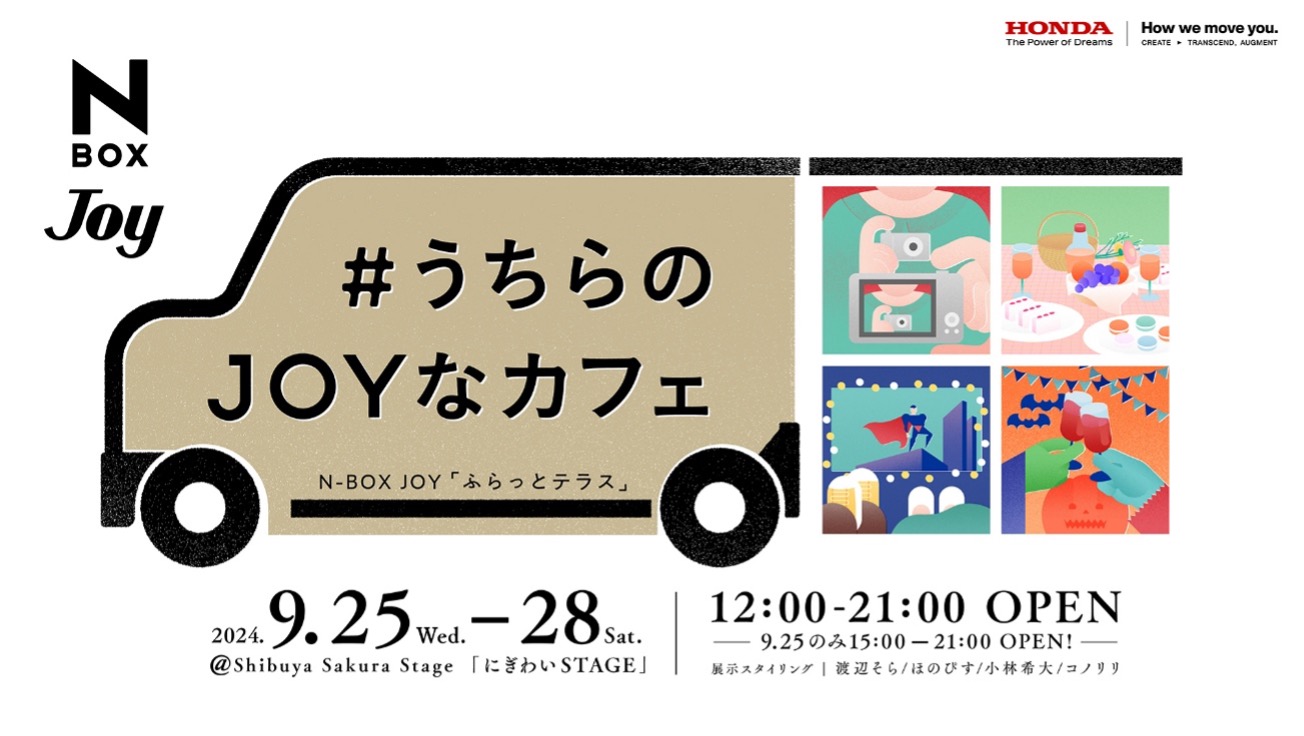
Honda Motor Co., Ltd.
Our JOYful Café by N-BOX JOY
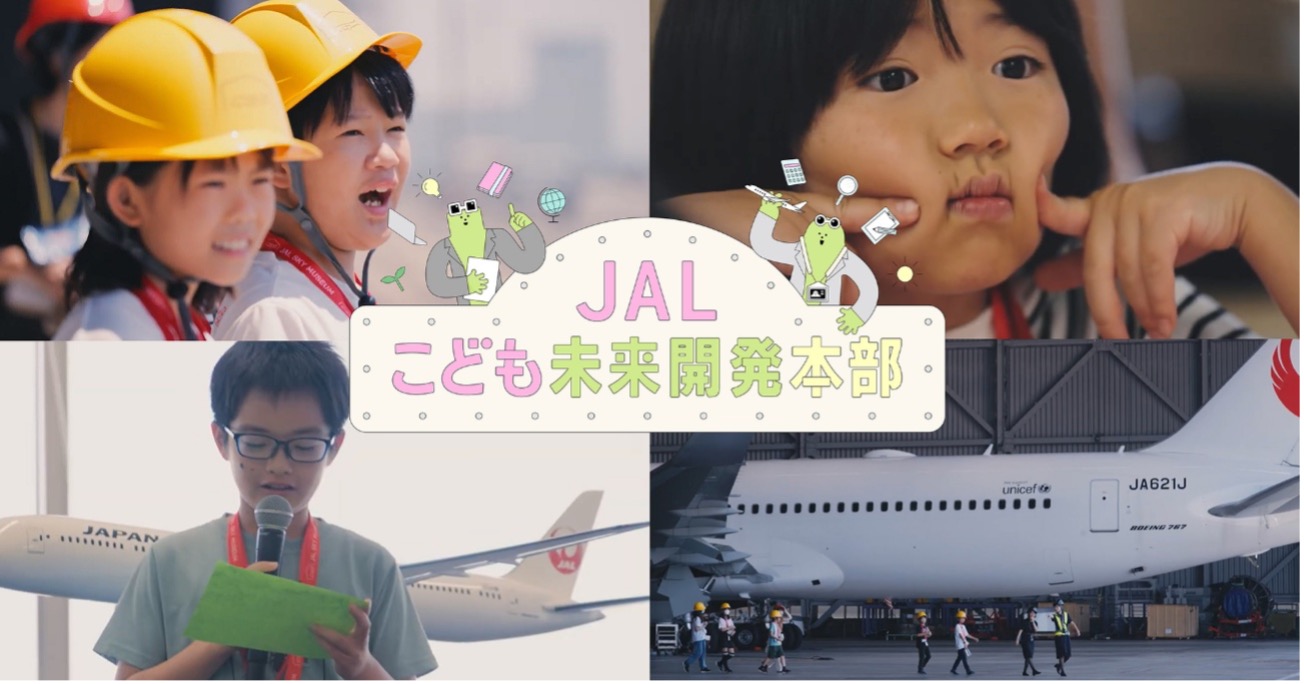
Japan Airlines Co., Ltd.
JAL Children’s Future Development Headquarters

Honda Motor Co., Ltd.
OuTDooR Hunting Card by VEZEL

Honda Motor Co., Ltd.
WR-V Meets
BANDAI SPIRITS Co., Ltd.
“Super 20th Anniversary” Project
Japan Airlines Co., Ltd.

