



On-Site Report: Key Tech Trends from CES 2026 Every PR Professional Should Watch
 2026.02.04
 2026.05.27
Held every January in Las Vegas, CES (Consumer Electronics Show) is one of the world’s largest technology trade shows, with more than 60 years of history.
Once known primarily as a consumer electronics exhibition, CES has evolved into a platform that showcases technologies shaping society as a whole, spanning lifestyle, mobility, healthcare, energy, and more.
CES 2026, the largest edition since the pandemic, featured more than 4,100 exhibitors and attracted over 148,000 attendees from around the world, including approximately 6,900 media representatives.
In this article, three members of Dentsu PR Consulting—Ko Hayashi, Mero Kawabata, and Eri Takeuchi—share their on-site insights from CES, highlighting the latest global technology trends from a PR perspective along with key trend keywords.
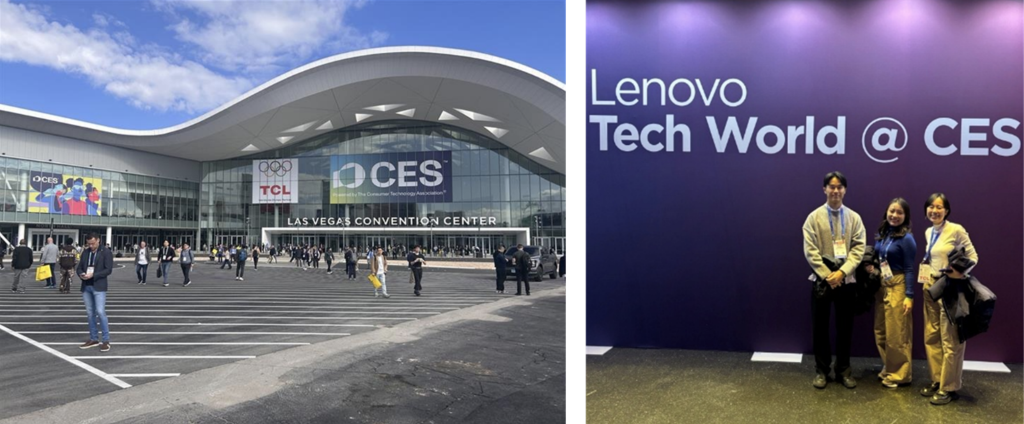
Spanning approximately 2.6 million square feet, the CES venue was filled with an energy that felt almost like a festival, befitting one of the world’s largest technology exhibitions.
The Age of AI as a Given
Not Whether It Exists, but How It Is Used
At CES this year, AI was everywhere you looked. During four days of walking through the exhibition halls, one thing stood out strongly: AI is no longer discussed as an additional feature, but as something that naturally exists. From home appliances and robots to mobility, healthcare, manufacturing, and even startup prototypes, AI was embedded as a standard component of services and products.
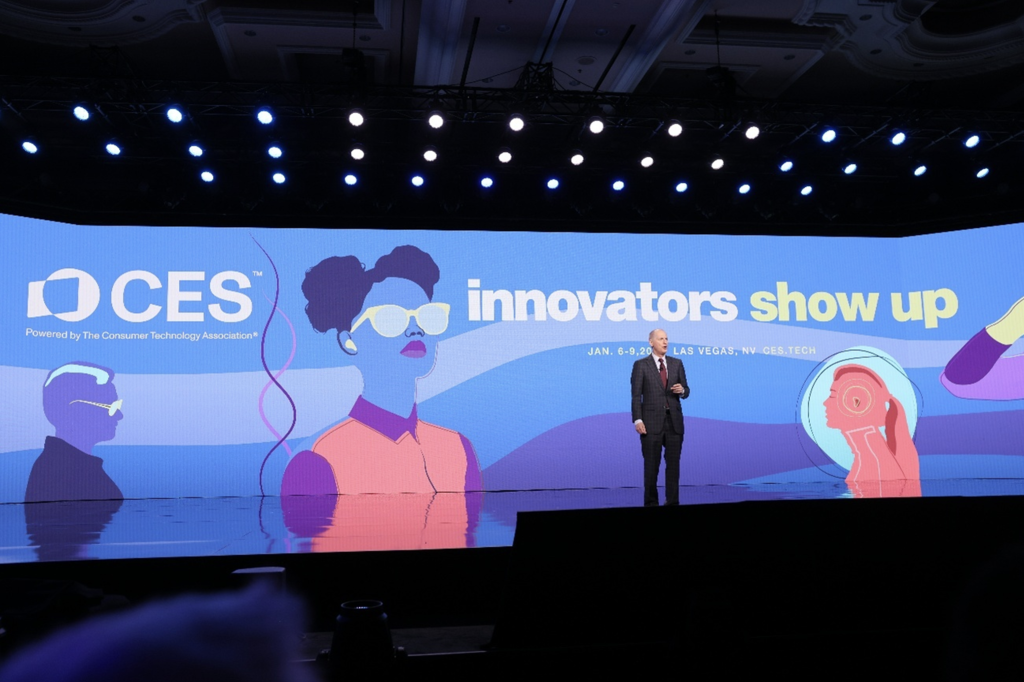
The main theme of CES 2026 was “Innovators Show Up.” The message emphasized that innovation is driven by those who take action. Among the key trends announced by CES organizer Consumer Technology Association (CTA) was, unsurprisingly, AI. In addition to AI agents and digital twins, the use of AI on devices is expected to expand further, improving productivity, customer experience, and healthcare. This perspective was also reflected in the key visuals for CES this year. (Photo: ©Consumer Technology Association (CTA)®)
One of the highlights of CES each year is the keynote speeches delivered by industry leaders. On stage, top executives from major global technology companies—including Lisa Su, CEO of AMD; Jensen Huang, CEO of NVIDIA; and Yuanqing Yang, CEO of Lenovo—clearly spoke about the arrival of an AI-native era.
Looking across the exhibition floor, it was evident that everyday life—from homes and healthcare to factories, transportation systems, and entire cities—is entering a period of structural transformation built on AI. This left the impression that AI-driven services, products, and the technologies that support them will become some of the most important topics in technology PR going forward.
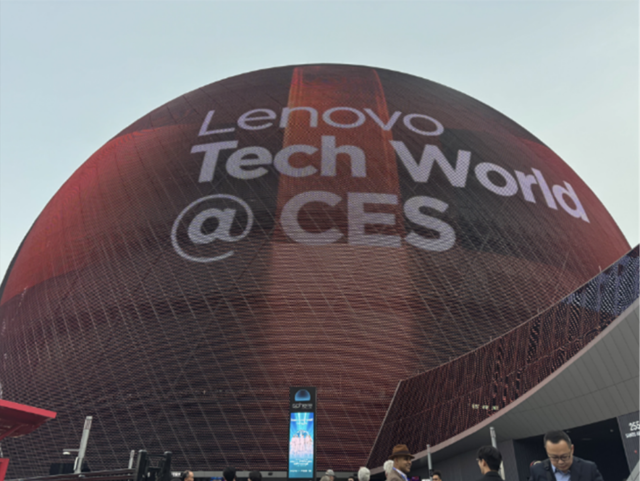
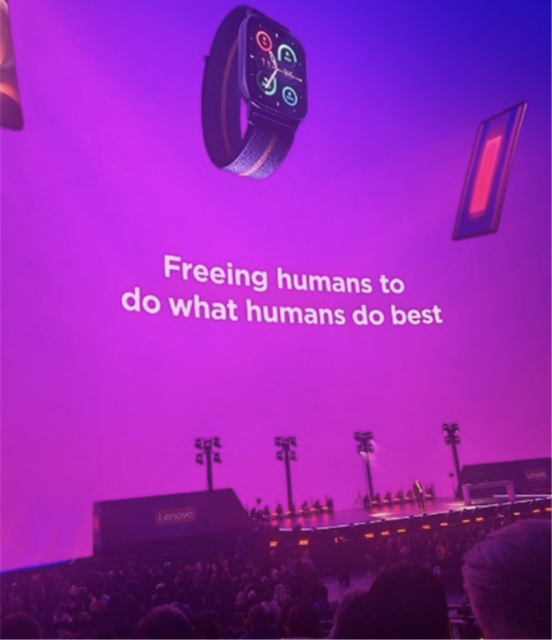
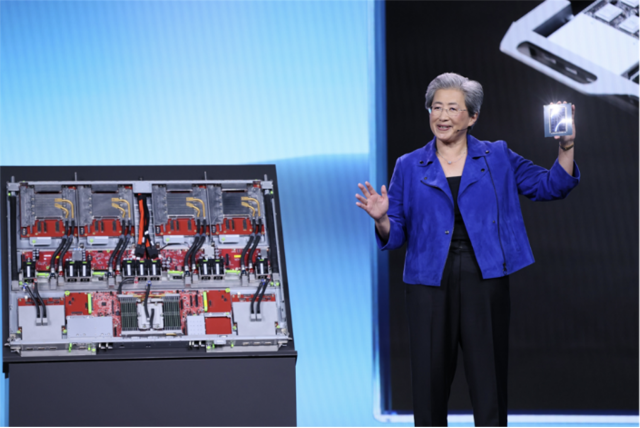
Keynote speeches are always a major attraction at CES. This year, Lenovo delivered a presentation that felt almost like a show at the Sphere, the iconic Las Vegas venue. The company presented its vision of coexistence between humans and AI under the theme “Freeing humans to do what humans do best.” Meanwhile, U.S. semiconductor company AMD highlighted its vision with the message “AI is Everywhere, for Everyone,” emphasizing a future where anyone can harness AI anytime, anywhere.
From the Era of DX to the Era of IX
Redesigning Social Infrastructure with AI at Its Core
At CES 2026, the concept of Intelligent Transformation (IX) was frequently discussed as the next stage following Digital Transformation (DX) and emerged as one of the major megatrends.
IX refers to a shift in social and industrial structures in which AI—built on the digital infrastructure and data established through DX—takes on roles such as decision-making, optimization, and autonomous control. For example, in many sectors including manufacturing, mobility, energy, and healthcare, initiatives are already underway in which AI analyzes real-time data to determine optimal solutions and immediately reflect them in the physical world.
These efforts represent not just a passing trend but a paradigm shift. In the coming years, IX is likely to replace DX as a key term in the technology industry and will increasingly be used to describe corporate activities and broader social transformation.
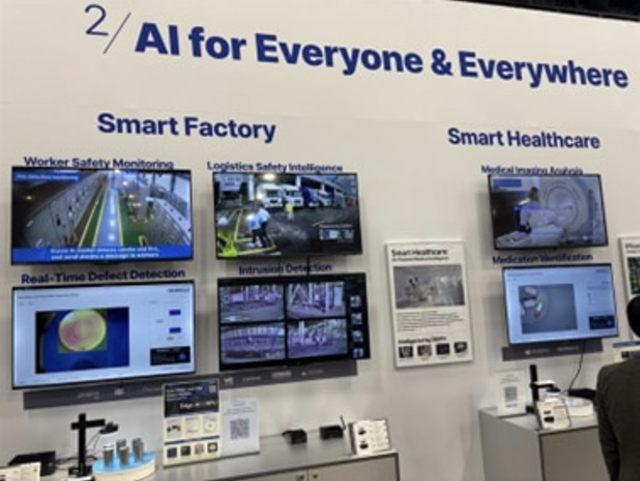
Exhibits showing how data in smart factories and smart healthcare is digitized and utilized by AI.
Siemens provided one of the clearest explanations of this structural transformation. Taking the keynote stage on the opening day of CES, the company emphasized that the industrial structure itself will change as data and AI become fundamental to operations, potentially triggering an AI-driven industrial revolution and accelerating industrial transformation through real-world implementation of AI.
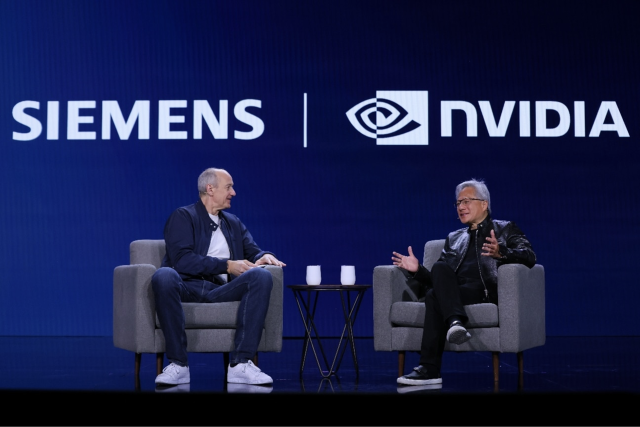
Together with NVIDIA, Siemens discussed a future in which industrial AI operates autonomously. They even described a scenario reminiscent of science fiction—robots building other robots, which in turn manage manufacturing processes—presenting a vision of the future of industry. (Photo: ©Consumer Technology Association (CTA)®)
Robotics and “Physical AI”: From Experimentation to Deployment
So far, we have highlighted the common trends observed throughout CES 2026. From here, we will take a closer look at several specific fields and introduce the cutting-edge technologies emerging in each area.
Robotics was a symbolic theme of CES 2026. The focus shifted from futuristic demos to practical deployment. Physical AI—AI that perceives the real world through sensors and physically controls robots or autonomous vehicles—was prominently featured.
One particularly striking observation on site was that the implementation of Physical AI is advancing first in blue-collar industries such as agriculture, construction, and mining. These sectors face pressing challenges including labor shortages and safety concerns. As a result, the criteria used to evaluate the exhibits were focused less on future potential—such as how autonomous a system could eventually become—and more on practical performance, such as how accurately and reliably it could operate.
At the CES Innovation Awards 2026, robots designed to collaborate with humans and systems capable of making autonomous decisions and movements were highly recognized. This clearly demonstrated that robotics is no longer just a technology of dreams, but one that is steadily becoming part of real-world operations.
CES Innovation Awards: An annual award that evaluates the innovation of products exhibited at CES. Outstanding products are selected based on design and engineering excellence, and the awards are widely regarded as a global indicator of industry trends.
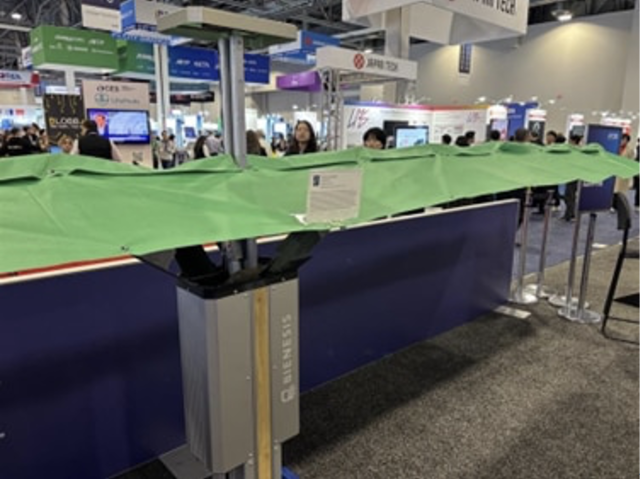
An award-winning AI robot developed by a French company. It automatically protects high-value vineyards and crops from harsh weather conditions such as wind, rain, and extreme heat, significantly improving harvest yields.
Looking back at media coverage in Japan as well, many outlets focused on the emergence of Physical AI operating autonomously in the real world. Headlines such as “Physical AI draws intense attention” and “The first year of Physical AI” appeared across various media reports, highlighting the growing interest in this field.
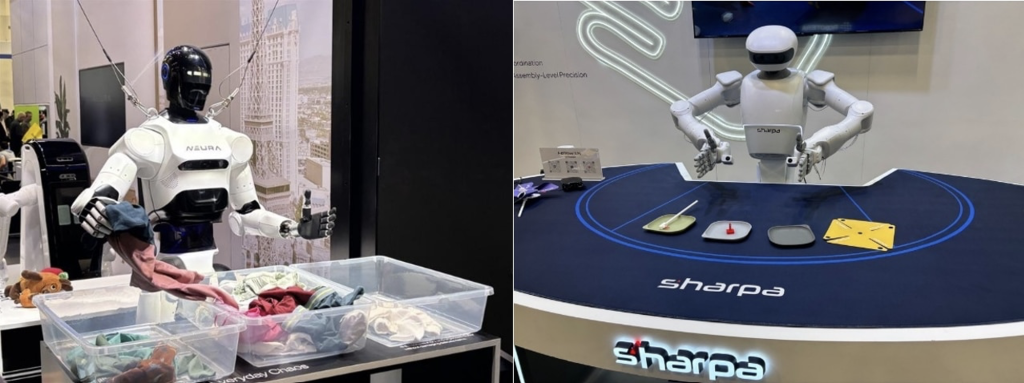
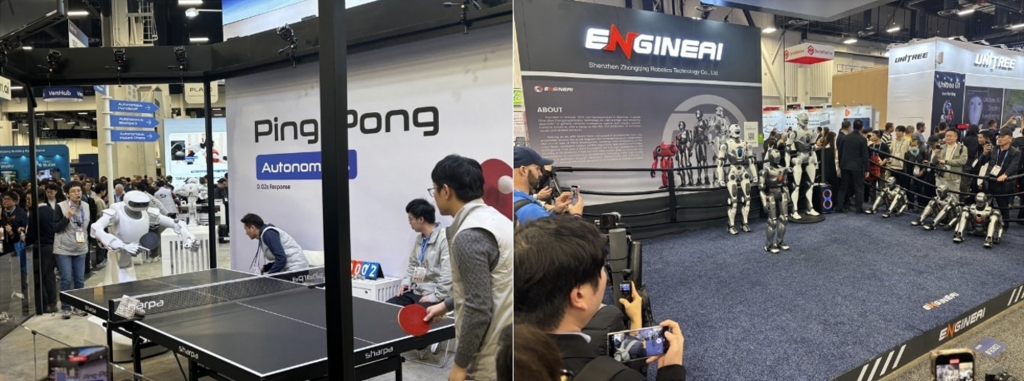
Wherever you looked, robots could be seen beyond the crowds. It gave the sense that scenes once imagined as part of a dreamlike future may soon become part of everyday life.
Mobility: Foundational Technologies Over Finished Vehicles
In the mobility exhibits—one of the key themes of CES 2026—what stood out was not the finished vehicles themselves, but the foundational technologies that make them possible. Technologies supporting autonomous driving and next-generation mobility were prominently featured, including software, sensors, semiconductors, mapping technologies, operating systems, and digital twins—simulation technologies that recreate real-world conditions in digital environments. Together, these innovations showcased the technological foundations that will support the future of mobility.
In particular, pre-validation using digital twins has become an essential technology in development environments, not only in the mobility industry but across many sectors. By enabling AI-driven optimization of driving and manufacturing processes, digital twins help ensure safety and reliability before real-world deployment. Even at the awards, these foundational technologies were evaluated more highly than flashy finished products, suggesting that the battleground for mobility in the AI-native era is shifting decisively from visual impact to practicality and safety.
Incidentally, while many people imagine futuristic concepts such as flying cars when thinking about mobility and technology, their widespread practical use still appears to be some way off. Meanwhile, the AI-native transformation of agricultural machinery is steadily progressing. Autonomous agricultural machines that make decisions and perform tasks independently already exist, as do systems that allow farmers to operate equipment remotely via computers without physically going to the fields—signaling that the way people work is also entering a period of major transformation through AI.
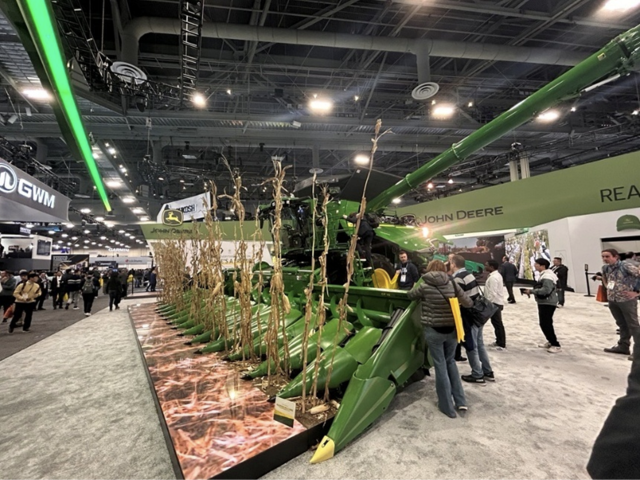
John Deere showcased a massive autonomous combine harvester. Using GPS and camera-based automated control, it enables efficient harvesting and attracted attention as a next-generation agricultural machine designed to address labor shortages and improve productivity.
Home Appliances as Platforms
In the home appliance sector, the focus has clearly shifted away from competition over the performance of individual products toward proposals that rethink how daily life as a whole should be designed.
By integrating household appliances, energy systems, and robots through AI, companies are aiming to create environments in which comfortable living conditions are maintained without people even being aware of it. This concept goes beyond simple “convenience,” prompting a reconsideration of the very nature of work and household tasks. At the CES Innovation Awards 2026, home AI hubs and energy management systems were also highly recognized, suggesting that home appliances are no longer merely products but are being redefined as part of a system that manages and optimizes everyday life.
For example, LG, which drew significant attention at the event, unveiled its AI-powered home robot “LG CLOiD,” presenting a vision of a “Zero Labor Home.” CLOiD demonstrated household tasks such as taking ingredients out of the refrigerator and passing them to cooking appliances, or folding laundry. By working in coordination with AI-enabled home appliances, it offered a glimpse of a future in which everyday tasks can be carried out autonomously.
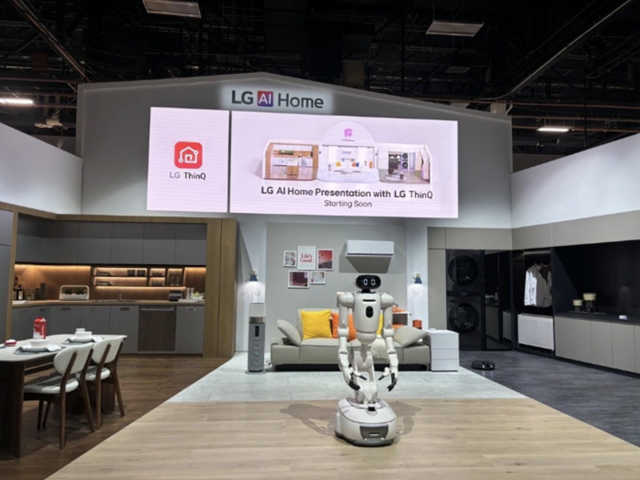
AI-powered home robot “LG CLOiD.”
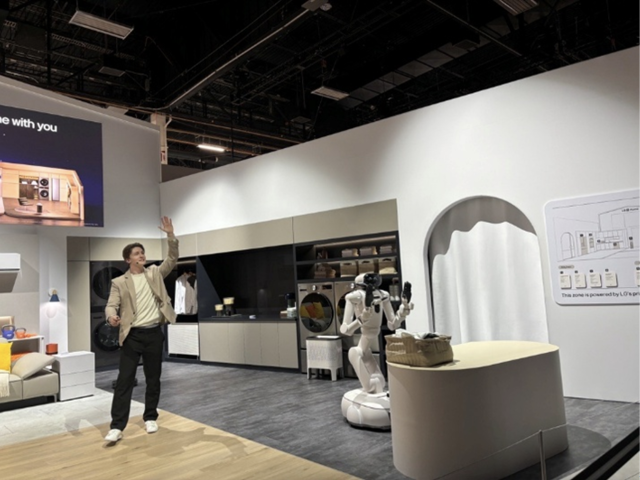
“LG CLOiD,” which is also capable of handling laundry tasks.
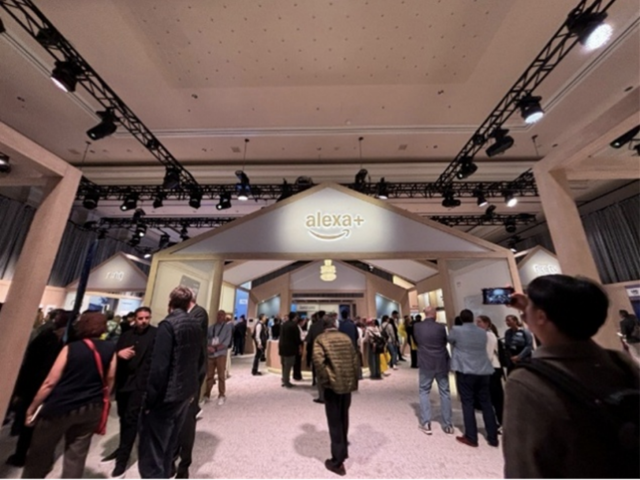
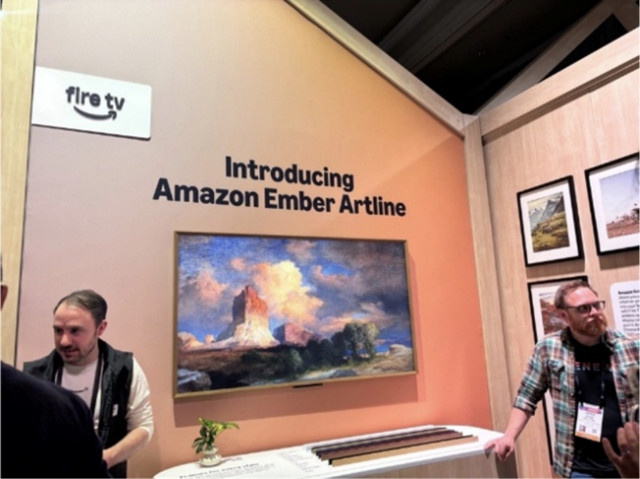
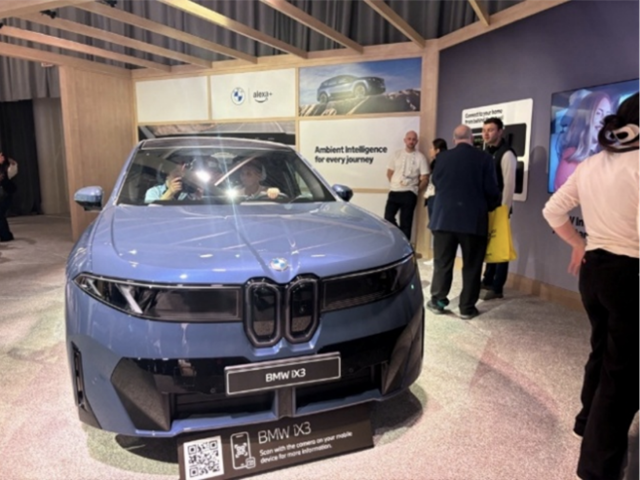
Meanwhile, Amazon placed greater emphasis not on showcasing individual smart appliances or AI technologies, but on presenting a smart home concept that integrates everyday life as a whole. In addition to existing products such as Alexa, Fire TV, and Ring, the company highlighted Alexa+, which incorporates generative AI, as the core of its ecosystem. Through this platform, home appliances, screens, art, security, wearables, and even in-vehicle systems are connected as part of a single lifestyle concept.
Reflecting a broader theme seen throughout this year’s CES, the exhibit did not position AI itself at the forefront. Instead, it demonstrated home appliances as a platform that seamlessly connects the many touchpoints of daily life.
Lifetech Continues to Evolve
Longevity Emerges as a Megatrend Supporting Everyday Life, Not Just Healthcare
Alongside IX, another megatrend highlighted during CES 2026 Media Day was “longevity.” Longevity goes beyond simple health management or disease prevention. It refers to a concept aimed at maintaining and improving long-term physical, mental, and overall quality of life. Through continuous and often unconscious monitoring and data integration, the goal is to enable people to “live longer and live better.”
For example, technologies that can visualize a person’s health condition simply by analyzing their face, attempts to embed sensors into clothing and furniture, and portable devices that measure brain health were among the many innovations on display that support healthier daily lives. For countries like Japan, which is already experiencing a super-aging society, longevity is likely to remain an important trend in the years ahead.
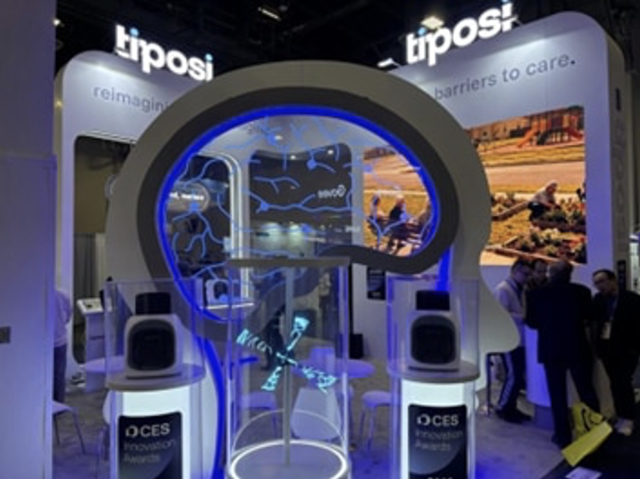
A device that won the CES Innovation Awards 2026. By simply placing your head inside, it can measure brain health in just two minutes.
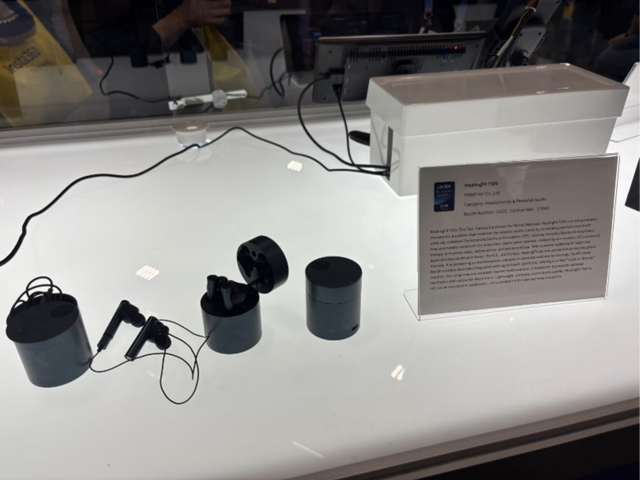
Another award-winning device: a next-generation therapeutic wireless earbud. By integrating “listening” and “healing,” this wearable device helps improve sleep quality and reduce everyday stress.
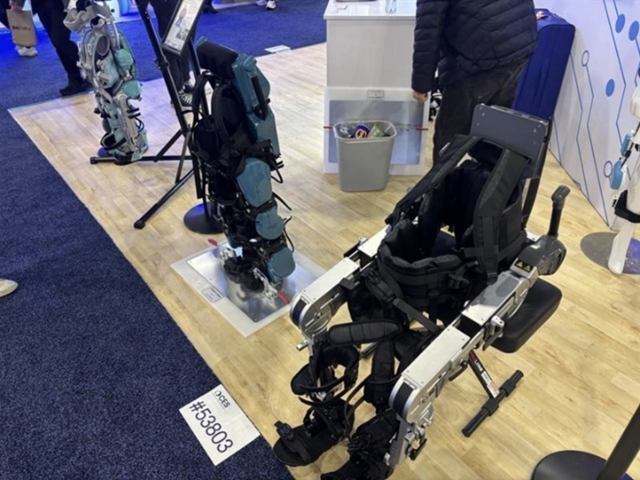
A wearable robot designed to support rehabilitation. Available in versions for both adults and children, this device also received an award at this year’s CES Innovation Awards.
New Devices Exploring the Post-Smartphone Era
New types of devices worn close to the body—such as smart glasses, rings, and pendant-style devices—continued to stand out at CES. These emerging devices focus on how technologies such as AI can expand human cognition and behavior, strongly reflecting the concept of “Human-Centered AI,” a term frequently mentioned by many companies throughout this year’s CES.
For example, Little Bird, a small wearable device that received an award at CES, is a next-generation monitoring device designed specifically for children. In addition to tracking a child’s location in real time, the device uses AI to learn behavioral patterns and daily routines, issuing alerts when unusual activity is detected.
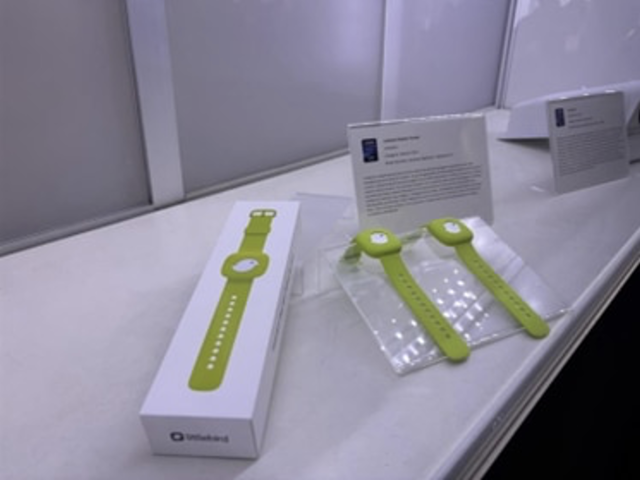
Little Bird, featuring a distinctive bird design at its center. More than a simple monitoring watch, it received an award as a next-generation AI-powered predictive device.
Another area drawing large crowds was the smart glasses booths. Although compact in size, these glasses were equipped with a wide range of functions similar to those of a smartphone, including navigation, real-time translation, camera capabilities, and even conversations with AI. Many visitors gathered to experience them firsthand.
Some products were designed with industrial use in mind, such as in factory settings. Even workers with limited experience can receive guidance and support through smart glasses, giving the impression that these devices are already well prepared for practical use in real-world workplaces.
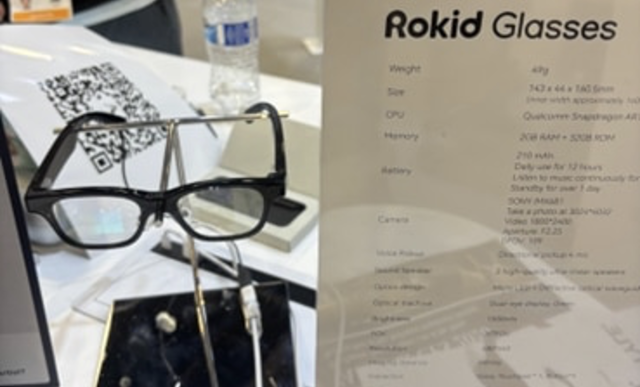
After waiting in line, the author finally tried the device. Using AR technology, it displays information directly within the user’s field of view.
Eureka Park: Where Startups Gather
Showcasing the New Standards of the Near Future
CES is not only a stage for major corporations but also a platform where startups introduce their innovations to the world. Of the approximately 4,100 companies exhibiting at CES, around 1,400 were startups, many of which were gathered in an area known as Eureka Park.
At Eureka Park, rather than flashy, large-scale innovations, there was an abundance of practical solution ideas—products that make you think, “If this existed, everyday life would be more convenient and enjoyable.” The exhibits clearly illustrated the connection between technology and society in a way that felt close to everyday life.
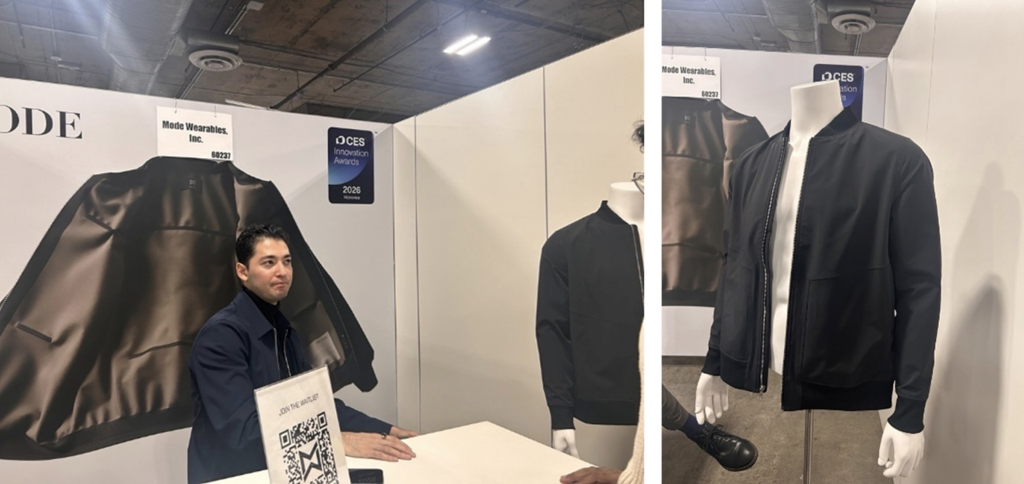
Mode Wearables, a startup specializing in smart apparel (clothing with embedded electronic functions), showcased its smart wear and received a CES 2026 Innovation Award. The company introduced a unique multifunctional jacket that not only wirelessly charges a smartphone when placed in its pocket, but also features a wearable edge computer, intelligent temperature control, and programmable lighting.
Of course, it is often difficult for startups to participate in large-scale events on their own, both in terms of cost and language barriers. Supporting them are venture capital firms, universities, and government organizations from various countries. These supporting organizations secure exhibition spaces for dozens of companies, allowing selected startups to showcase their innovations within those areas. Through this system, an environment that nurtures the growth of startups has been established.
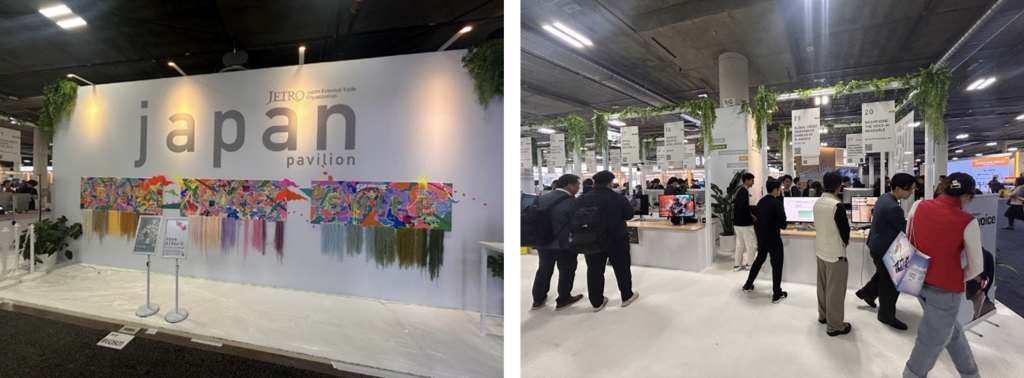
One of the Japan Pavilion booths at Eureka Park, organized by JETRO (Japan External Trade Organization). Notably, there were no chairs—highlighting the proactive approach of Japanese startups in engaging with visitors.
Conclusion: Key Terms for Understanding CES 2026
Looking back at CES 2026, a common thread among nearly all of the standout exhibits becomes clear. Each display represented either a direct solution to a societal challenge or the core technology enabling such solutions. Exhibitors leveraged their respective strengths to present ways to address issues faced by a wide range of people and industries—from minorities to the majority. Notably, the technologies most likely to become future trends tended to share this characteristic.
This structure closely resembles the ideas behind effective corporate PR initiatives. With numerous media representatives and corporate leaders in attendance, CES has the potential to serve as an ideal platform for PR.
Finally, we would like to revisit several key terms that are important for understanding the technology trends discussed in this article.
IX (Intelligent Transformation)
A concept described as the next stage beyond Digital Transformation (DX). Building on the digital infrastructure and data established through DX, IX refers to a shift in social and industrial structures in which AI autonomously makes decisions, optimizes processes, and controls systems. Rather than focusing solely on efficiency, this stage raises fundamental questions about the nature of decision-making itself.
Physical AI
A technological field in which AI perceives the real world through cameras and sensors, interprets it as digital information, and physically operates robots, autonomous vehicles, and other systems to carry out autonomous actions. AI that integrates perception, decision-making, and action is beginning to be deployed throughout society.
Digital Twin
A technology that enables simulations traditionally performed in the real world to be conducted more freely in digital space. By allowing verification of accidents and abnormal scenarios, digital twins help accelerate real-world implementation while improving safety.
Longevity
A concept that goes beyond health management and disease prevention, aiming to maintain and enhance long-term physical, mental, and overall quality of life. Through continuous and often unconscious monitoring and data integration, lifetech solutions designed to help people “live longer and live better” emerged as an important theme.
Human-Centered AI
Literally meaning “AI centered on humans.” Rather than placing technology at the core, this concept emphasizes designing AI around human behavior, decision-making, and emotions. Instead of AI that requires users to adapt to it, the focus is shifting toward AI that naturally supports and accompanies human activities.
CES 2026 demonstrated that these ideas are no longer merely theoretical concepts—they are already taking shape as real products and services. What may seem like the future today is already beginning to take form here and now.
Authors: Ko Hayashi / Mero Kawabata / Eri Takeuchi
The data, circumstances, and affiliations or titles of individuals cited in this article are accurate as of the time of writing.
*We have changed our English company name as of April 1, 2026.


